
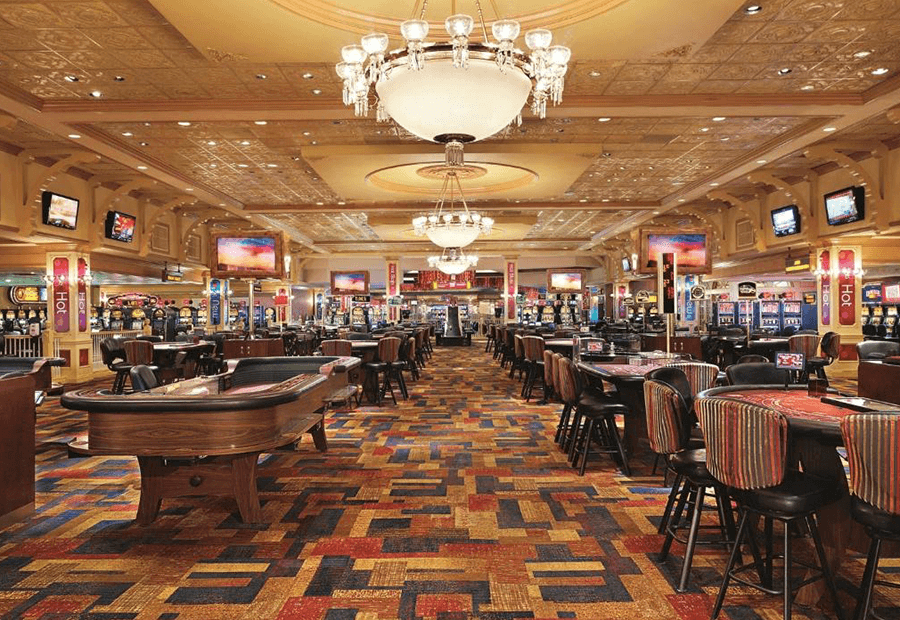

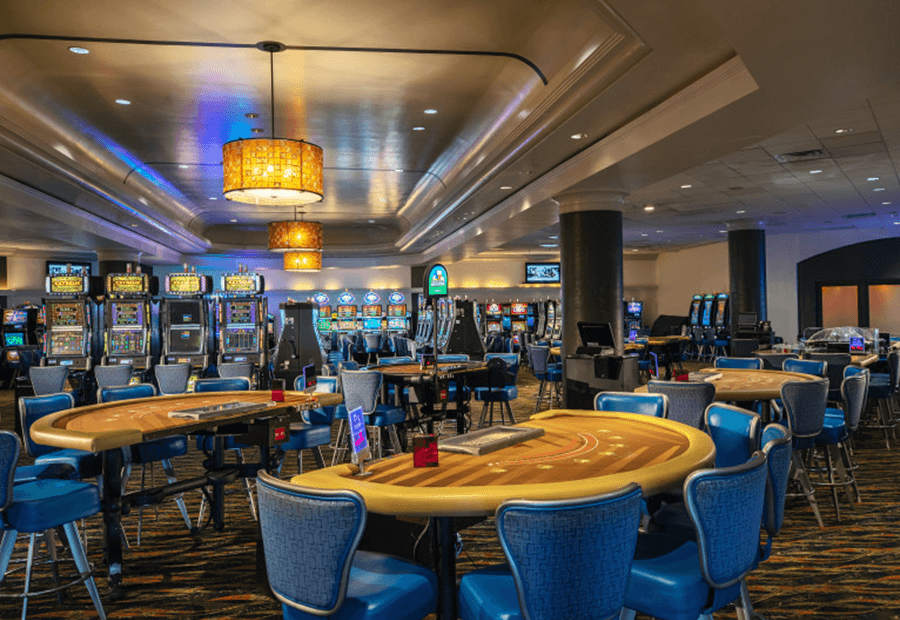


Legitimacy of the Casino Hotel
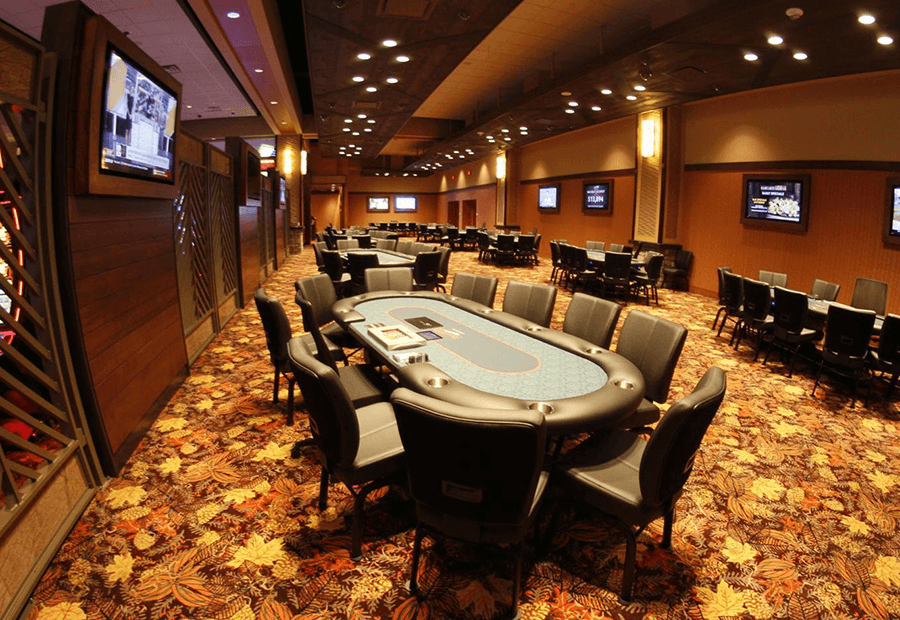
Budget Management at Casino Hotels
Bonus Buy Slots Explained 2026

What a Bonus Buy Really Is in 2026
Bonus buy slots let you pay a fixed multiple of your stake to trigger a feature instantly—usually free spins, hold-and-win respins, or a super-bonus with boosters. In 2026 this mechanic has matured: most regulated lobbies mark buys clearly, disclose price brackets, and display separate RTP figures for base play vs. bought features. A “feature buy” is not a shortcut to positive expectation; it is a way to concentrate outcome variance into a single decision.
Studios now offer several tiers: standard bonus, enhanced symbols, guaranteed multipliers, or sticky wild modes. Some titles add dynamic pricing tied to volatility sliders—higher cost for extra modifiers, lower cost with reduced symbol sets. Because the buy skips accumulation spins, it changes both the pacing and the distribution of results, which is exactly why understanding the math matters.
The Math: RTP, Variance, and Tail Risk
How the price is set
Price is calibrated from the theoretical frequency and average return of the feature when triggered naturally. Developers layer house edge, regulatory limits, and promotional constraints on top. Many games publish dual RTPs: one for base spins and one for the purchased feature. A buy can have slightly higher or lower RTP than base play, but it almost always raises volatility because you’re front-loading risk into fewer outcomes.
Buying magnifies tail risk. Instead of many small spins that smooth variance, you get a short burst where a miss is costly and a hit can be dramatic. Long-run expectation remains what the math says, yet the path to that average becomes rockier. For players, that means planning around drawdowns, not just headline RTP.
- Price multiple: common ranges are 60x–200x for standard bonuses, more for super modes.
- RTP delta: the buy mode may differ by ±0.3–1.5 percentage points versus base.
- Hit profile: highly concentrated return from multipliers and retriggers.
- Cap behavior: some games cap single-spin payouts or bonus rounds after N steps.
- Volatility class: published indicators (Low/Med/High/Extreme) guide bankroll sizing.
Bankroll Strategy and Session Design
Budget models for frequent buyers
Think in “buy units” rather than spins. If your session budget is 1000x the base stake and a standard buy costs 100x, you have ten attempts. Decide in advance whether you ladder stakes after wins or stick to flat betting. A simple rule: protect a stop-loss that leaves you with at least three buys to avoid ending on a single coin-flip decision.
- Set a fixed loss limit in bet-multiples (e.g., 12 buys).
- Predefine a win-lock: bank 30–50% of profit after a peak.
- Use a warm-up: a few base spins to observe volatility pacing (optional, not predictive).
- Avoid chasing: if two super-buys miss, downshift to the standard mode.
- Close the session on target or limit—no “last one” exceptions.
| Buy type | Typical cost | RTP delta | Volatility | Notes |
|---|---|---|---|---|
| Standard bonus | 60x–120x | ±0.0–0.5% | High | Balanced; relies on retriggers for big outcomes. |
| Enhanced symbols | 100x–150x | ±0.5–1.0% | High–Very High | Better floor, sharper tail due to multipliers. |
| Super bonus | 200x–400x | ±0.3–1.5% | Extreme | Rare but explosive; large bankroll swings. |
| Respins/hold-and-win | 50x–100x | ±0.0–0.7% | Medium–High | More consistent; jackpot orbs drive peaks. |
Regulation and Market Trends in 2026
Evaluating advertised RTP
Most European markets now require clear disclosure when a buy is enabled, with some jurisdictions forcing a toggle to opt in per session. The UK tightened age-gating and raised friction for rapid repeat-buys. Several U.S. states allow buys only in specific titles or cap the highest price tier. Expect more dashboards that show “session spend vs. expected return” in real time.
On the product side, 2026 brings variable-cost sliders, bonus drafts where you pick modifiers, and hybrid jackpot rails that add a small side contribution to network pools. Some studios sell time-limited “booster windows” that slightly improve symbol weights while you buy—transparent and pre-priced, but still subject to the same house edge.
Streaming continues to shape player expectations, but remember the entertainment context: streamer bankrolls and deals are not typical. If you watch highlight reels on mellstroy.tube, treat them as showcases of variance, not blueprints for profit.
How to Pick Better Bonus Buy Slots
Start with disclosures: look for separate RTP listings, volatility class, max win, and the price ladder. Read the paytable for retrigger rules and how multipliers stack; compounding mechanics often define the game’s true ceiling. If the game allows a demo or low-stake run, observe bonus length and frequency of dead spins inside the feature.
Avoid common myths. Buying does not “force” a hot cycle; the RNG is memoryless. A slightly higher buy-mode RTP does not guarantee smoother outcomes—it can be paired with steeper variance. The best-fit game is the one whose risk curve matches your budget and patience: shorter, frequent features for measured swings, or super-buys for fewer but larger shots.
Author’s opinion
Bonus buys make slot gameplay more intentional. In 2026 the winners are not “lucky guessers” but planners who translate price, RTP, and volatility into a session map they can actually stick to. Treat each buy as a discrete trade with defined risk and exit rules, and the experience becomes clearer—and calmer.
The future is transparent pricing and smarter guardrails. If studios keep publishing honest math and regulators keep nudging clarity, bonus buys will remain a legitimate premium option for players who respect variance and guard their bankrolls like a scarce resource.